Ljubljana in Winter

Slovenia is one of Europe’s least-visited countries overall for international travel – but we’re here to shake the extraordinary capital of Ljubljana in your face and tell you why that needs to change.

Ljubljana is a small city with a young vibe – about a sixth of the population is taken up by its 50,000 students – and a complex history that dates back to the Roman era.

And in wintertime, Ljubljana becomes…look, we’re going to resist the urge to use the words ‘fairy-tale’, but there is something particularly charming about its snow-capped architecture, its splendid Christmas lights and markets, its outdoor ice skating, skiing day trips, and – yes – its massive outdoor New Year’s Eve celebrations.

For us, though, the real trump card is Ljubljana’s quite frankly ludicrous artistic scene – over 14,000 cultural events take place in the city every year, ensuring that you’ll never be at a loose end on a rainy day.

Founded as a squat in an old army barracks in 1993, the Metelkova neighbourhood is a punky cultural centre and network of clubs, and it’s rightly famous as the city’s alternative, underground heart. (The neighbourhood hostel, Cecilia, is an old prison that welcomes guests into its 20 colourfully-designed cells.)

For travellers whose raving days are long behind them, however, the city centre also holds a wide variety of museums, concert halls, theatres, and much, much more.

If you can’t make it for Christmas, then we’d head to Ljubljana in February, in time for the Pust or Karneval celebrations, where in Slovenian tradition fearsome masked figures parade to chase the winter away. (In Ljubljana, the parades are led by the city’s mascot, the green dragon.)

Eating and drinking

With a heavy emphasis on pork and deliciously doughy desserts, Slovenia is a great choice for warming winter food – but Ljubljana is way too trendy to rest on its laurels. Last year, the city had 17 mentions in the Michelin Guide, with praise going out to its talented chefs fusing traditional Slovenian cuisine with Mediterranean, Thai and Japanese influences.

While we haven’t been there ourselves, we’d be tempted to take a cab out to the delightfully infamous Gostilna Skaručna, an eccentric family-owned restaurant serving traditional Slovenian cuisine just outside the city. Wash it all down with an excellent glass of Slovenian wine, local plum schnapps, or the up-and-coming local vodka – which, for some reason, has Bill Murray as its ambassador. (Maybe Lost in Translation gave him the idea?)

Hiking in Bulgaria

Bulgaria has a good amount of mountainous coverage – which means it’s showing off some of Europe’s most stunning waterfalls across its three national parks. In the north, you’ll find gorgeous glacial lakes and craggy hiking routes past ruined medieval fortresses and monasteries.

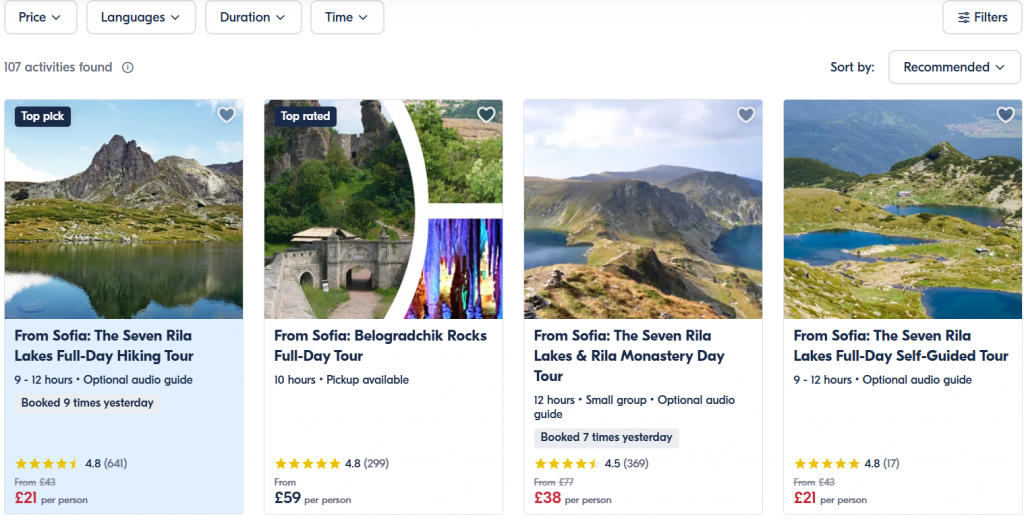
While we’d make it a priority to visit the Seven Rila Lakes or the rocks of Belogradchik (pictured above) in the mountains for some unforgettable walking trails, there are also lovely hiking options up Vitosha Mountain, less than an hour’s bus ride from Sofia.

In the south, you’ve got charming coastal towns like the UNESCO-recognised Nessebar – or if you want to really get away from it all, head to the completely undeveloped and peaceful Pasha Dere beach for some Black Sea RnR.

Recommended Tours

Paddleboarding in Costa Rica

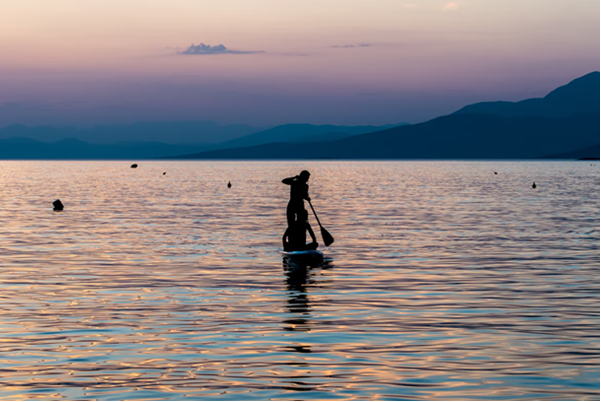
Paddleboarding requires different conditions to surfing – you’ll probably be looking for calmer waters and fewer waves.

And Costa Rica is rightly famous for the quality of its surf and sealife, but it’s also a very convenient consideration for getting the water conditions just right, since its two coastlines will see favourable water conditions at different times of the year.

The western coast, exposed to the Pacific Ocean, will see powerful waves during the ‘green season’ (May-November), while the eastern coast, facing the Caribbean, will perk up from December-March for the dry season. So simply pick your coast depending on your sport – or do a cross-country trip to get a bit of both.

On the western coast, Tamarindo is well-known as one of the country’s most popular spots for watersports, with plenty of surf schools and paddleboarding classes or beginners – and just as many crowds.

But instead we’d take a trip over to the trendy town of Montezuma on the slightly more remote (and thus, less busy) Nicoya Peninsula. It’s got a huge nature reserve, a ton of reliable beaches, world-class restaurants, and a beautiful-but-possibly-haunted cemetery island if you happen to be into that sort of thing.

From there, head south along the Pacific coast of Costa Rica and eventually you’ll come to the Osa Peninsula – and the waters of the sheltered Golfo Dulce.

This extraordinary ecosystem (actually one of the world’s few tropical fjords) offers calm waters for paddleboarding, as well as visits from humpback whales, whale sharks and more.

Those peaceful vibes are perfect for testing your mettle with a bit of paddleboard yoga, too. Just be careful not to drop the downward dog if a friendly whale bumps into your board.

While you’re in the vicinity, check out the absolutely stunning Golfo Dulce Retreat – it’s a fully-sustainable eco-lodge operating on its own power grid, only accessible by boat and sitting in a plum position between the rainforest and the beach.