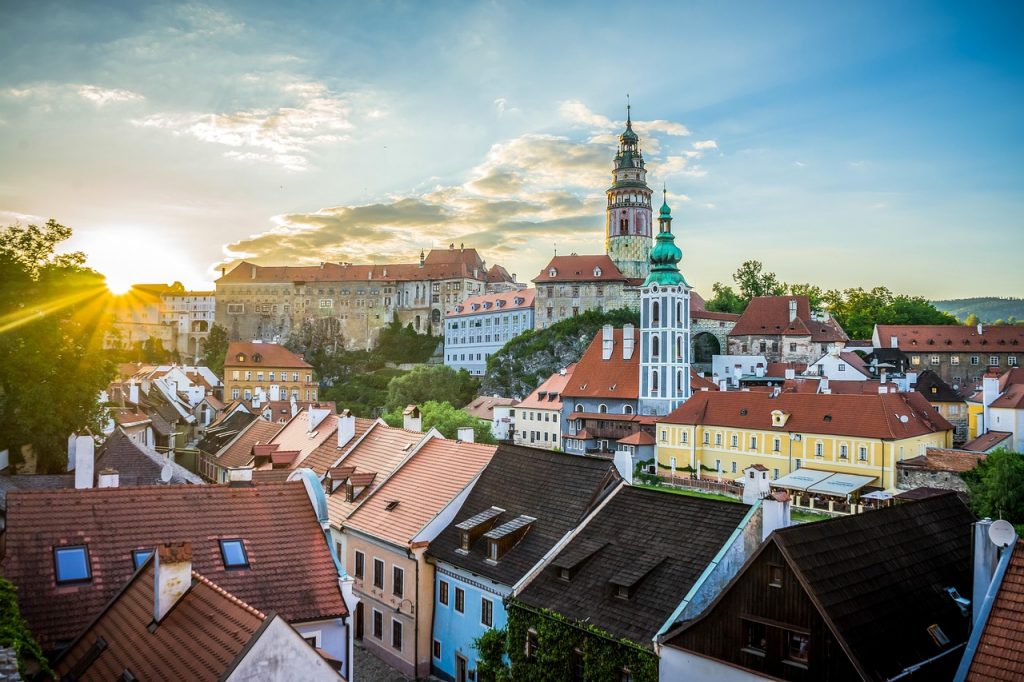
7 must-visit cities in Eastern Europe

by Paul Jebara

Ready to ditch the beaten paths of Paris and London and discover some new European gems? Pivot your gaze to Eastern Europe and these seven thrilling destinations, each of which is criminally underrated. The flights and trains there usually won’t break the bank, and everything you could want from an exciting, relaxing, or adventure-seeking trip, or any other kind, awaits. There are spectacular hikes in Eastern Europe, and its cities don’t disappoint either. From the medieval flair of Dubrovnik to the pulsating energy of Belgrade, these lesser-trodden cities are ripe for exploration and the perfect European destinations for when you want to discover something new

1. Dubrovnik, Croatia
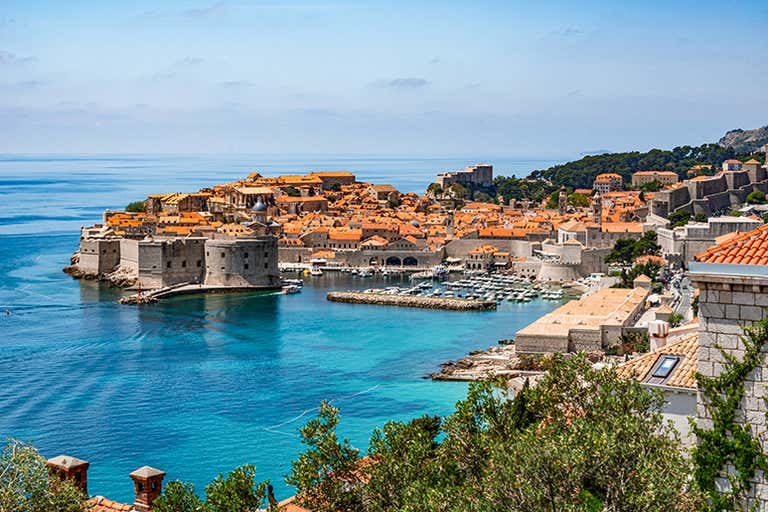
Dubrovnik, Croatia

Discover why the beautiful Dubrovnik was selected as a location for Game of Thrones.

Yes, Dubrovnik is a famous Game of Thrones location, and the city has had a surge in popularity since it became the hit show’s backdrop, but its actual history is just as interesting. It’s survived everything from medieval sieges to, well, fictional dragons. But Thrones fan or not, there’s something pretty special about this Croatian gem. Fancy a dive into authentic coastal life? Dubrovnik’s your go-to.

Highlights

Wander around those historic ruins or, for a different angle, hop on a cable car for some jaw-dropping views. And if you’re up for a splash, it’s one of the best places in the world to go kayaking — that’s a whole different kind of epic.

2. Riga, Latvia
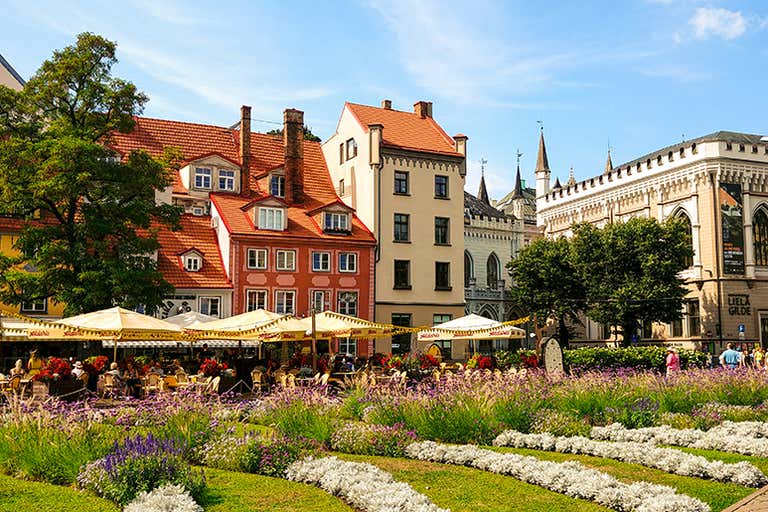
Riga, Latvia

Riga, the capital of Latvia, is one of the most beautiful cities in Eastern Europe.

Gothic architecture and an incredible art scene make Riga the perfect go-to for weekends away in Eastern Europe. Take a stroll through the palace gardens and lunch like a local at the Central Market. The Latvian capital is renowned for its stunning Art Nouveau architecture and vibrant cultural scene, so make sure to include some tours.

Highlights

If you have a true foodie in tow, consider eating your way through the city (and soaking up the culture) on a food tour. And for those with an eye for fine art and design, Latvia’s National Art Museum and Art Nouveau Museum are must-sees.

3. Skopje, North Macedonia
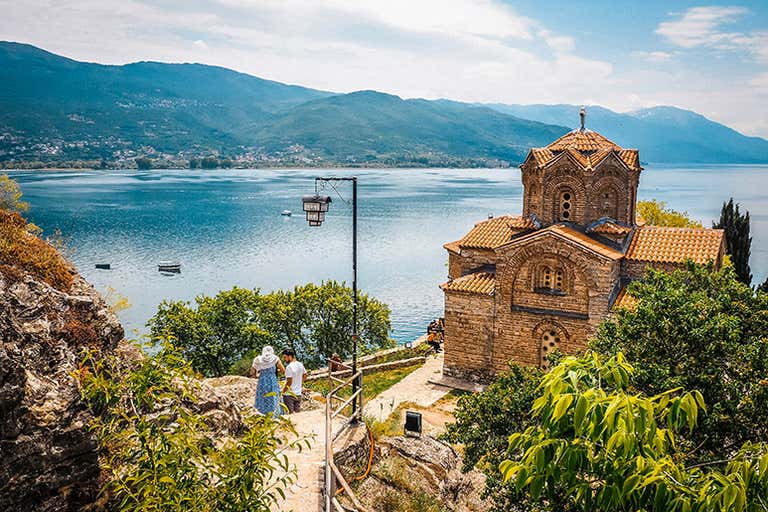
Skopje, North Macedonia

Discover Skopje, a hidden Eastern European gem in North Macedonia.

Ready for a time-traveling trip? Head to Skopje in North Macedonia and feel like you’re stepping into a storybook: cobblestone streets, ancient churches, and yes, a real-deal medieval castle. This Macedonian treasure is tailor-made for lazy strolls, lakeside chill-outs, and, let’s not forget, indulging in some serious snacking. Grab your towel and a pastry or two and set up camp on the beach for a perfect summer day with minimal crowds.

Highlights

Make sure to see the iconic Stone Bridge connecting the Old Bazaar to the city center and the towering Millennium Cross atop Vodno Mountain.

4. Belgrade, Serbia
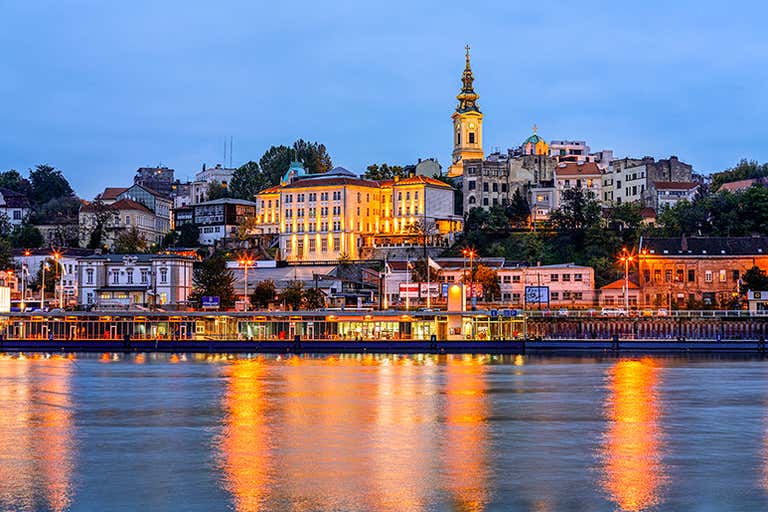
Belgrade, Serbia

Belgrade, the capital of Serbia, is another Eastern European highlight.

Although recent history has left its mark on parts of Belgrade, this city’s rebirth is something to behold. Stroll its streets and you’re in a clash of titans: elegant Habsburg mansions rubbing shoulders with stark Soviet giants. Done with the history lesson? Dive into Belgrade’s vibrant nightlife and get a taste of its street food scene.

Highlights

Zip off to Serbia’s surprising horde of wineries in Novi Sad. And get back in time for a sunset cruise down the Sava and Danube.

5. Mostar, Bosnia and Herzegovina
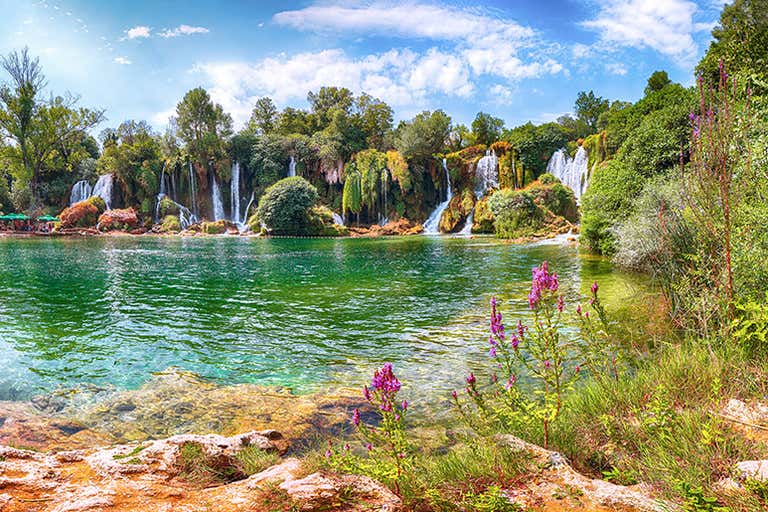
The beautiful waters in Mostar, Bosnia

Explore the medieval charm of Mostar.

As far as Instagram-worthy bridges go, Mostar’s Old Bridge is definitely up there. Located in the heart of Mostar, Bosnia and Herzegovina, the huge limestone arch is a must-see, but by no means the only place you have to see. The medieval charm extends across the rest of the city, where you can buy old-school trinkets from traditional markets and enjoy evenings at one of many charming millhouse restaurants.

Highlights

The Kravice Waterfall is a short car trip away and makes for a perfect day trip.

6. Prague, Czech Republic
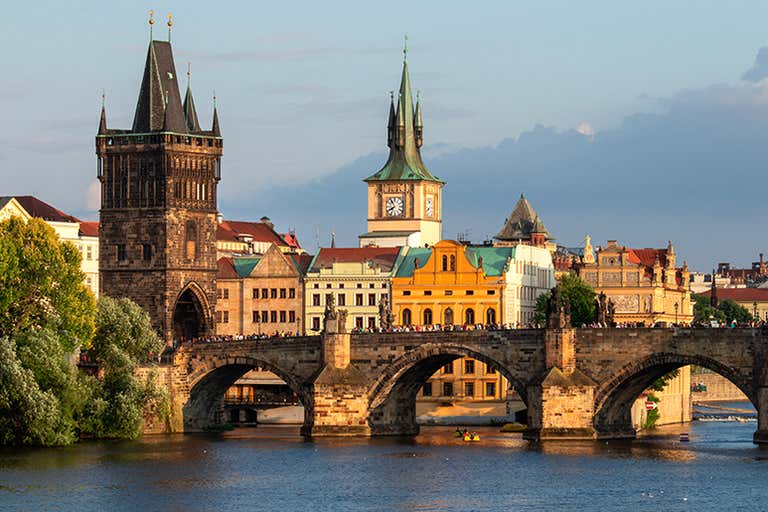
Prague, Czech Republic

Prague is a classic Eastern European destination.

Known for bachelor parties and wild weekends, Prague’s appeal goes far beyond amazing beer — though it’s worth the trip alone. Travelers to the Czech Republic’s capital city can choose from countless things to do. A tour of the imposing Prague Castle or the historic Charles Bridge will teach you about Prague’s past. While you’re on the bridge, make sure you rub the bronze plaques below the statue of Saint John of Nepomuk for luck.

Highlights

For travelers looking to take it easy, the centralized location of Prague’s greatest hits makes seeing the major sights easy, leaving more time to eat trdelnik. And if you’re looking to travel around the holidays, you’ll find it’s one of the most charming Christmas destinations in the world.

7. Bucharest, Romania
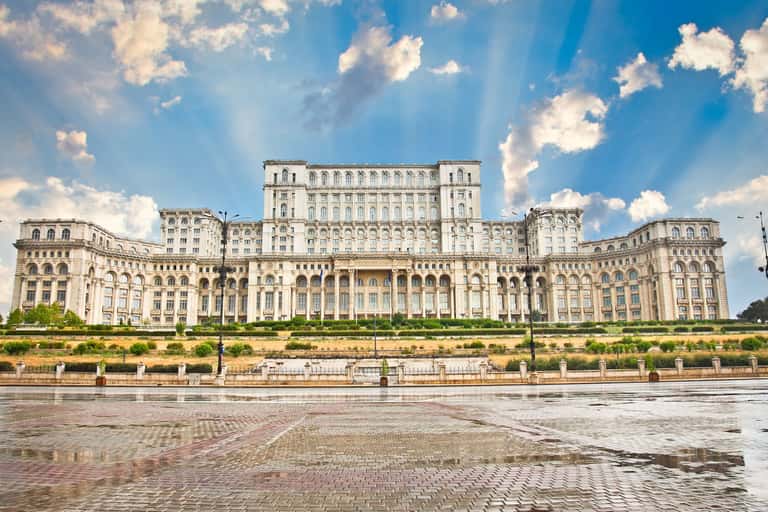
Bucharest, Romania

Bucharest is anything but your average European capital.

Bucharest, Romania’s beating heart, is an uncharted sea of contrasts. A walk through its streets is a gripping adventure through its history. The National Museum of Art of Romania is there for the cultured, or day trips from Bucharest to Dracula’s castle are there for the brave looking to experience scary places around the world.

Highlights

Don’t miss the audacious opulence of the Palace of Parliament, a mesmerizing relic of megalomaniacal Communist rule, and experience the atmospheric charm of the Old Town’s quaint alleys, lined with buzzing cafes and eclectic bars.

Cities that are just as good (if not better) in winter


By: Rory Ross and Tracey Davies

Some cities suit winter far more than summer. When the holiday crowds have gone home, there’s less risk of getting a selfie stick in the eye, the accommodation is cheaper, the shops come to life and there are more locals about, which gives an authentic bustle that tourists alone can never provide. 

Many of the cultural season’s opera, theatre and concerts reach their peak in winter. Some cities, such as Graz and Zagreb, are often more atmospheric and festive, too, especially if they come with a light dusting of snow or a veil of mist. These are nine of our top picks for cities that work just as well, if not better, in winter than summer.

Zagreb, Croatia

The southernmost former Austro-Hungarian city before the Balkans, Zagreb combines a rich cultural scene with an easy, urban lifestyle. After a sleepy summer, winter breathes new life into the metropolis, which is especially magical during the festive period. Must-sees in the romantic cobbled mediaeval maze of Upper Town (Gornji Grad) are St Mark’s Church, the Stone Gate and the views of the city. A ride on the funicular takes you down to the bicycle-friendly Lower Town (Donji Grad), an elegant mix of grand Austro-Hungarian architecture dappled with parks, a Botanical Garden and squares such as Ban Jelačić. Make a beeline for Maksimir Park, Zagreb’s largest, which has lakes and trails.

Among museums, galleries and theatres, the unique Museum of Broken Relationships, which gathers break-up mementos in one place, shows Zagreb’s quirky side. Don’t mistake the perennially vibrant café scene for boulevardier idleness; the locals prefer to do business over coffee – Tkalčićeva Street is a particularly popular spot. Dolac Market, the ‘belly of Zagreb’, sells fresh produce, local delicacies and handcrafted items, while the Christmas market – typically found in the lively Ban Jelačić Square – is even more spectacular than Prague’s. Great pains are taken to transform the city into a fairy tale.

Zagreb’s culinary scene is a mix of traditional Croatian and contemporary trends. The local dish, štrukli (baked pastry with cheese), pairs perfectly with wine and craft beer. For winter sports enthusiasts, the ski resort at Sljeme, the peak above Zagreb, is easily reachable by tram. And if you want to extend your trip, this city’s location is ideal for exploring not only the rest of Croatia but also neighbouring Slovenia and Hungary.

Where to stay

Venice, Italy

The seductive power of La Serenissima defies all rationality and continues to mesmerise. In winter, as the tourist hordes head home, the golden aura of the light-hearted and frivolous summer city gives way to a wraithlike caigo, a still, sunless Venetian mist – it’s all very atmospheric, cosy and romantic. This is the real Venice that Venetians inhabit. You can explore unimpeded her landmarks – St Mark’s Basilica, the Doge’s Palace, the Rialto Bridge, Santa Maria Gloriosa dei Frari, Santa Maria della Salute and the Gallerie dell’Accademia. You can get a table without queuing, you can order the original Bellini from Harry’s Bar without recourse to elbows, and you can easily take a trip to the islands of Murano, Burano and Torcello. You might even get a room at the Danieli, where Coco Chanel, Charles Dickens, Charlie Chaplin and Greta Garbo once stayed.

It is a wonderful city just to wander around, marvelling at Venetian ingenuity and good taste and losing yourself in the labyrinth of streets, only to find you end up where you began.

Top tip: take an early-morning stroll in the Venetian rush hour of vaporetti and barges and watch the sun’s rays reflect off the burnished façades of Gothic and Renaissance palazzi, creating a magical golden light, then head for breakfast to Cantina do Mori, Casanova’s favourite and the oldest bacaro in Venice, founded 1462. Winter here includes the famous Carnevale di Venezia, (31 January – 17 February 2026), featuring elaborate masks, costumes, parades and shows. It’s a spectacle well worth building a trip around.

Where to stay

Munich, Germany

Munich is the capital of Bavaria, the richest part of Germany and the home of BMW, Audi and Bayern Munich football club. It’s no surprise, then, that the city offers year-round elite-class concerts, opera, sport, food and accommodation. But the Bavarian sense of fun and pride can really be enjoyed throughout winter. The locals love to pull on lederhosen and dirndl, and mill about chatting, drinking beer, taking coffee and shopping. The season begins with Oktoberfest, then moves on to the Christmas markets, particularly the Christkindlmarkt at Marienplatz: a riot of festive stalls, handmade crafts, gingerbread, roasted chestnuts and glühwein backdropped by twinkling lights and Christmas trees.

Winter is when hearty Bavarian cuisine really makes sense: Schweinshaxe (pork knuckle), Weisswurst (white sausage), Kaiserschmarrn (shredded pancake dessert) and warm apple strudel all washed down with beer. Visiting a traditional beer hall such as Hofbräuhaus adds to the experience. Winter also means thinner crowds at popular attractions such as Nymphenburg Palace, the Deutsches Museum, the spiky, gargoyled Rathaus, and King Ludwig’s Neuschwanstein Castle. Located near the Bavarian Alps, Munich is also the ideal base for skiing and snowboarding day trips.

Where to stay

Home next to the water in Hamilton Bermuda.

Hamilton, Bermuda

If you love the beach but don’t like to lounge around all day, then Hamilton is a solid winter getaway. Twenty-one square miles of limestone, it lies 650 miles southeast of North Carolina. You might get three cool weeks in January, otherwise the winter temperature hovers just above 20°C, so you’ll have lovely mild days for exploring the city and its surrounds. Hamilton is a pastel-hued toy town-by-the-sea built off Front Street, which runs alongside Hamilton Harbour. Look out for cultural and historic landmarks, which in the winter will have fewer people due to the cruise ship rush being over. Highlights include the City Hall & Arts Centre, the Cathedral of the Most Holy Trinity, the Bermuda Underwater Exploration Institute and the grand Cabinet Headquarters. Pick up some famous Bermuda shorts from TABS (The Authentic Bermuda Shorts) in Walker Arcade.

Outside Hamilton, there are, of course, miles of unspoilt coastline and coral reefs to dive and snorkel. Make a diary date for whale-watching between March to April. There are spectacular Crystal Caves to explore, and don’t miss a visit to the old historic capital St George’s, with its charming colonial architecture. Sailing is huge: Bermuda frequently hosts a round of Larry Ellison’s SailGP series. Despite considerable US influence, Bermuda is proud of its British heritage – the national sport is cricket. Food is fresh and vibrant and frequently revolves around fish, including rock fish, snapper, turbot, yellowtail, wahoo and mahi mahi. The classic dish is a fish sandwich washed down with a rum swizzle cocktail (don’t mind if we do). All the 60,000 inhabitants know each other by two degrees of separation, so no need for social media, which adds to the friendly atmosphere. As Mark Twain said, “Go to heaven if you want. I’d rather stay in Bermuda.”

Where to stay

Snow covering the town of Graz in Austria.

Graz, Austria

With snow-dusted rooftops, gabled façades and ringing bell towers, Graz has pure fairy-tale vibes. Often overlooked for the cultural delights of Vienna and Salzburg, Graz – the capital of Styria – has plenty of appeal, particularly in winter. Graz embraces lebensgefühl, as the Austrians like to say, the concept of ‘enjoying life’s simple pleasures.’

Potter around the Unesco-listed Altstadt, one of Europe’s best preserved Old Towns, and drink good coffee in the pavement cafés of Hauptplatz and Karmeliterplatz. Or indulge in contemporary and classical art in the many museums, particularly the bulbous Kunsthaus Graz, aka the ‘Friendly Alien’.

Of course, Austria being Austria, the Christmas markets are top-drawer. Showered in twinkling lights and with the heady scent of glühwein and roast chestnuts, they’re where to pick up local crafts, go ice skating and see beautiful, illuminated courtyards. Don’t miss the huge nativity scene, carved from more than 35 tons of ice, which is displayed in the courtyard of the 16th-century Landhaus.

Work off your breakfast sachertorte by climbing – or hopping on the funicular – to Schlossberg, the city’s fortress-topped hill with panoramic views. And take the Schlossberg Slide down. At 64m high and 175m long, the world’s tallest indoor slide whizzes you through mountain caves.

As Austria’s culinary capital, there’s little chance of going hungry. Do try Styrian fried chicken, scarlet runner bean salad and verhackert, the filthy-good bacon lard spread. And bring home bottles of pumpkin seed oil and Styrian Schilcher, the excellent local rosé.

Where to stay

Rabat, Morocco

Leafy boulevards, striking Moorish architecture and jazz clubs galore make Rabat an unexpected winter treat. Without the hordes of excitable day-trippers who flock to the Atlantic beaches each summer, you can enjoy exploring the Moroccan capital at your own pace. See the glorious golden-hued ramparts of the 12th-century Kasbah des Oudaias, wander around the Unesco-listed Chellah necropolis and gently browse the Old Medina – a quieter, more authentic experience than Marrakech’s overwhelming souks.

Rabat has a burgeoning contemporary art scene, pioneered by the opening of Mohamed VI Museum of Modern and Contemporary Art (MMVI) in 2014, which showcases Moroccan art from the 1950s to present day. A ten-minute stroll and you’re at Villa des Arts, a smaller gallery in an Art Deco villa which also hosts film screenings and poetry readings. The city has embraced Morocco’s growing love of jazz with cosy clubs such as the Croon Lounge and Weston Jazz Club, which attract Moroccan and European artists.

Food is a delight, of course. Feast on fragrant couscous, crispy seafood pastillas and tagines zingy with preserved lemon in ancient riads or trendy riverside cafes. Nip across the Bou Regreg to Salé, an old walled city which has a more laid-back vibe with a quiet medina, ancient mosques and a glitzy new marina.

Where to stay

Architecture in Seville viewed through an arch.

Seville, Spain

With bluebird days, 18°C temperatures and minimal crowds, Seville is a dream in winter. It’s an easy city to explore on foot, especially outside the steamy summer months. Stroll through the hip-grazingly narrow streets of Casco Antiguo, the Old Town, see the tomb of Christopher Columbus in Seville Cathedral, the largest Gothic cathedral in the world, and climb La Giralda, its famous bell tower, for 360° views of the city.

Without the crowds, it’s far easier to explore the Alcázar palace and Casa de Pilatos or wander through Parque de María Luisa to see the intricate tiles of Plaza de España and the pavilions from the 1929 Ibero-American Expo. However, it’s the life beyond the sights that really appeal. The steamy cafés serving thick hot chocolate with churros, hole-in-the-wall tapas bars, and intimate flamenco tablao in the Triana, where emotion-rich cante bounces off ancient walls.

When the evenings start to cool, Sevillanos swap salads for hearty Andalusian stews, spinach with chickpeas and roasted meats. December always brings a festive buzz, when the city shimmers in fairy lights and there’s a nativity scene around every corner. The best Christmas markets are found on Plaza Nueva and Alameda de Hércules.

Where to stay

Rome, Italy

Winter is Rome at its most authentic. Free from the summer hordes, the locals take back their city and enjoy crisp morning walks, long leisurely lunches and cosy suppers in family trattorias. Sans the crowds, you can stroll through the Forum without queuing, linger in front of the masterpieces in the Vatican Museums, and there’s no battling like gladiators to get a selfie in the Colosseum.

And without the intense sun beating down, it’s easier to climb the Janiculum Hill for misty morning views or wander through Villa Borghese’s gardens. In December, Piazza Navona hosts a massive Christmas market with vintage carousels, puppet theatres and craft stalls. It’s also a chance to meet La Befana, the folk legend of a witch-like old woman who delivers gifts to children.

In Trastevere, cafés and trattorias thrum with locals rather than tourists as they feast on Roman staples such as cacio e pepe and artichokes alla romana. It’s also worth a trip to the markets at Campo de’ Fiori and Testaccio to pick up seasonal treats including chestnuts, puntarelle and blood oranges.

Come February, the city starts to get lively again with Carnevale di Roma. While it doesn’t quite match the exuberance of the Venice Carnevale, Rome’s annual Mardi Gras brings a wave of colour and celebration to the Eternal City.

Where to stay